
What records do I need to keep for my accountant?
Bookkeeping • May 13, 2026 12:23:05 PM
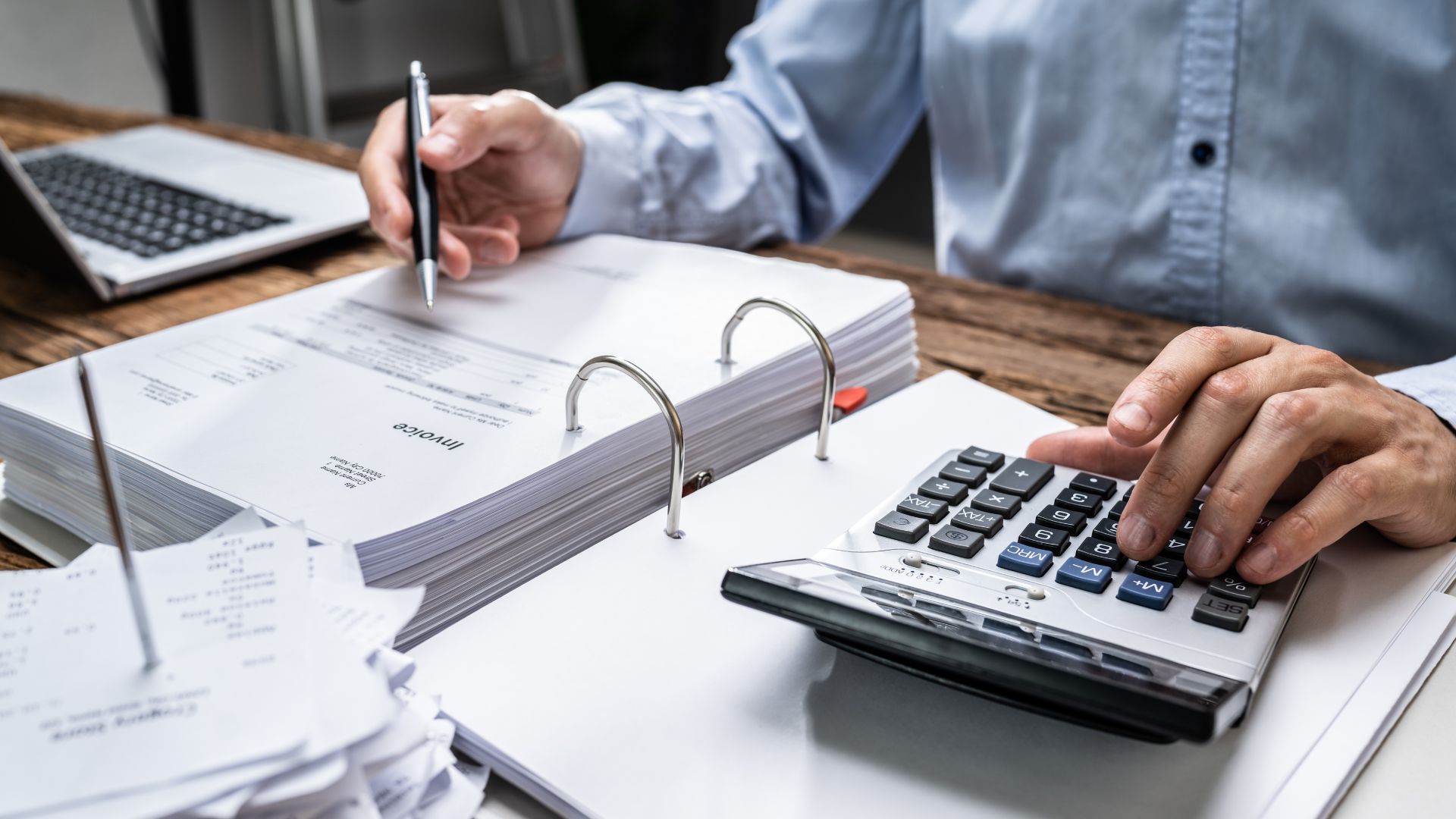
Keeping the right records is one of the simplest ways to make life easier for both you and your accountant. When records are clear, complete and up to date, your accounts are more accurate, tax returns are less stressful, and you reduce the risk of HMRC queries.
Many business owners are unsure exactly what they should be keeping, how detailed those records need to be, or how long they should retain them. This guide explains the key records your accountant will expect, why they matter, and how to stay organised without overcomplicating things.
Why accurate records matter for your accounts and tax
Your accountant relies on your records to prepare year‑end accounts, tax returns and ongoing reports. If information is missing or inconsistent, it slows the process and increases the risk of errors.
Good records also protect you. HMRC expects businesses to keep clear evidence of income, expenses and tax calculations. If HMRC ever asks questions, your records are the first line of defence. Well maintained records also help you understand cash flow, profitability and upcoming tax bills.
Sales and income records your accountant needs
You should keep a clear record of all business income. This includes sales invoices, till reports, online sales summaries and any other evidence of money coming into the business.
Each record should show the date, amount, customer details and VAT treatment where applicable. If you receive income through multiple channels, such as bank transfer, card payments and online platforms, all of it should be captured consistently in your bookkeeping system.
Purchase and expense records to retain
Every business expense should be supported by evidence. This usually means supplier invoices, receipts or digital records showing what was purchased, when, and for how much.
Expenses should be categorised correctly, as this affects tax calculations. Your accountant will also need to know if an expense includes any personal use, as this may require adjustment. Keeping expenses organised throughout the year avoids last‑minute scrambling at tax time.
Bank and credit card statements
Bank statements are essential for reconciling your accounts. They help your accountant confirm that recorded income and expenses match what actually moved in and out of the business.
If you use multiple accounts or business credit cards, all statements should be retained. Even if you use accounting software with bank feeds, statements remain an important supporting record.
VAT records and supporting documents
If your business is VAT registered, additional records are required. These include VAT sales invoices, VAT purchase invoices, details of VAT rates used, and any adjustments made on returns.
Under Making Tax Digital, VAT records must be kept digitally and linked to your VAT submissions. Your accountant will rely on these records to prepare accurate VAT returns and to resolve any issues if HMRC queries a submission.
Payroll and staff records
If you employ staff, payroll records are essential. This includes payslips, payroll reports, PAYE submissions, pension contributions and details of benefits provided.
Employers are required to keep payroll records for several years. Your accountant or payroll provider uses these records to ensure PAYE and National Insurance are reported correctly and on time.
Year‑end and company records
Limited companies must also keep statutory records. These include details of directors, shareholders, share transactions and Companies House filings.
Your accountant will use this information to prepare statutory accounts, Corporation Tax returns and confirmation statements. Keeping these records accurate avoids problems with Companies House and HMRC.
How long should records be kept?
HMRC generally requires businesses to keep records for at least six years. This applies to most tax related documents, including VAT and Corporation Tax records.
Some records may need to be kept longer depending on circumstances, so it is always sensible to confirm with your accountant if you are unsure. Digital storage makes long‑term retention far easier than paper files.
Common record keeping mistakes to avoid
Many problems arise when businesses mix personal and business transactions, rely on memory instead of evidence, or delay record keeping until deadlines approach. Another common issue is assuming accounting software removes the need to keep source documents.
Staying organised throughout the year reduces stress, saves time and keeps your accountant focused on advice rather than corrections.
How to make record keeping easier
Using cloud accounting software, scanning receipts as you go and reconciling accounts regularly all make record keeping more manageable. Setting aside a short weekly routine is often enough to stay on track.
If you are unsure whether your current records are sufficient, your accountant can review your setup and recommend improvements.